Autonomic Regulation

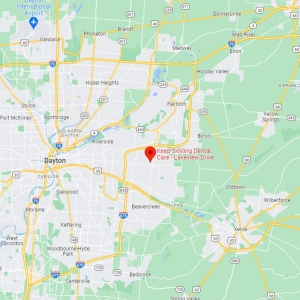
Anxiety often prevents patients from seeking the essential restorative care they need to maintain their health. Through IV conscious sedation and the careful management of vasoconstrictors, our specialists maintain stable vital signs to ensure a calm, painless environment for complex surgical procedures on Lakeview Drive.

We utilize IV conscious sedation, a technique where medication is administered intravenously to induce a state of deep relaxation while you remain awake and able to respond. During this process, our team monitors autonomic regulation, which refers to the way your nervous system controls involuntary functions like heart rate and breathing. We also pay close attention to the use of vasoconstrictors, which are agents in local anesthesia that narrow blood vessels to control bleeding and extend the numbing effect. This collaboration between technology and clinical expertise allows for a seamless experience. Our goal is to provide an environment where fear no longer dictates your health choices. We understand that many patients have had negative experiences in the past, and we work to rebuild that trust through gentle care.

Patient comfort is our highest priority, ensuring that even the most complex dental journeys feel like a brief, peaceful nap.

Monitoring Vital Signs for Restorative Success

Safety is the foundation of our surgical hub. We track every physiological change with advanced monitoring equipment to ensure your body remains in equilibrium. High-anxiety restorative patients often find that sedation dentistry is the only way to address years of neglected health without the burden of fear. By managing your physical response to treatment, we can complete multiple procedures in a single visit near the I-675 interchange. This efficiency benefits busy professionals and seniors alike who value high-authority clinical care. Advanced pharmacokinetics, or how the body processes medicine, guides our dosing strategy for every unique individual. Our staff remains by your side to ensure your safety throughout the appointment. We also utilize pulse oximetry, which measures the oxygen saturation in your blood, to provide real-time data to our clinical team. This level of oversight is standard for every patient who chooses our sedation services.

Common Questions About IV Sedation

Is IV sedation safer than general anesthesia? Yes, because you maintain your own reflexes and can breathe on your own throughout the entire appointment. Our specialists are highly trained in advanced anesthesia to keep you safe and comfortable from start to finish. We find that this method offers the best balance of safety and effective relaxation for most oral surgeries.

Will I remember the dental procedure afterward? Most patients experience a significant amnesic effect, meaning they have very little to no memory of the sights or sounds of the surgery. You will likely feel as though you just closed your eyes for a moment before the work was completed. It is a very effective way to bypass the stress of the clinical environment.

Do I need someone to drive me home after sedation? Since the medication takes time to fully leave your system, you must have a trusted friend or family member provide transportation. We want to make sure you arrive home safely to rest after your successful procedure. You should plan to take the rest of the day off to relax as the effects gradually wear away.

Schedule Your Sedation Consultation in Beavercreek

Do not let dental anxiety hold you back from the smile you deserve. Contact Keep Smiling Dental today to discuss our sedation options and how we can make your next visit completely stress-free.

Is Sedation Dentistry in Beavercreek Safe?

Sedation dentistry has long been an option for patients, with nitrous oxide debuting in the mid-1800s. That said, not everyone has viewed sedation as safe, especially when dosage requirements were guesswork at best. If you’re wondering what the field looks like today, we’ll look at sedation dentistry in Beavercreek, OH and whether it’s worth the risk.

Safety and Sedation Dentistry

Sedation dentistry is not only considered extremely safe in the modern age, it’s also extremely effective. With well over a century of data to draw upon, dentists can administer the proper dosages of sedation to patients of nearly any background. While you may still face some risk, the odds of an adverse event are extremely unlikely. So, whether you’re thinking of getting sedation for yourself, your 4-year-old, or your 40-year-old spouse, you can rest assured that they’ll come out of the procedure without any ill effects.

The Benefits of Sedation Dentistry

Sedation dentistry is more than just laughing gas. Whether you’re interested in IV or oral sedation options, you have plenty of choices when it comes to the right path for you. Most people ask a dentist in Beavercreek for sedation not to handle the pain of the procedure, but to deal with the anxiety of the unknown. Plenty of patients avoid the dentist altogether because they’re too afraid of not just what might happen, but the thought of ceding some of their control to the dentist. With sedation dentistry, you have a chance to tackle your oral health with total confidence.

If you have questions about sedation options, contact Keep Smiling to learn more about our tactics, technology, and methodology. Far from a one-size-fits-all philosophy, we tailor our recommendations to the needs of the patient for the best results.

 Is It Safe to Drive After IV Sedation? What Patients Should Expect

Imagine if you could magically wake up and have all of your dental work already done. It would be like Dorothy arriving in Oz without having to go traipsing down the yellow brick road for days on end. That’s the beauty of dental sedation in Beavercreek, OH. It’s commonly used to help patients get nice and relaxed during treatment. While sedation doesn’t always cause full unconsciousness, it significantly affects awareness, reflexes, and judgment. Because of this, driving after IV sedation is not safe and should be avoided for the rest of the day.

How IV Sedation Affects the Body

Unlike local anesthesia, which numbs only a specific area, IV sedation impacts the entire central nervous system. It slows reaction times, impairs coordination, and can cause lingering drowsiness for several hours. Even if you feel alert shortly after the procedure, the medication may still be affecting your ability to drive safely. Some patients also experience temporary memory loss or dizziness, making it difficult to focus on the road.

Transportation Arrangements

Dental offices require patients receiving IV sedation to arrange for a responsible adult to drive them home. Public transportation, rideshare services, or taxis may be options, but having someone accompany you is ideal to ensure you get home safely. Patients should not drive, operate heavy machinery, or make important decisions for at least 24 hours after the procedure.

When Is It Safe to Drive Again?

Planning ahead for transportation is essential for a smooth and safe recovery. While IV sedation makes dental procedures more comfortable, it’s important to allow enough time for the effects to fully wear off before getting behind the wheel.

Contact your Beavercreek, OH dentist for more information about dental sedation or to book an appointment.