The Best Foods and Supplements for Faster Dental Implant Healing

You might not relate your diet and daily supplements to your dental implant healing. But in reality, it’s extremely important! Nutrition plays a key role in bone and tissue recovery. Dental implants in Beavercreek, OH, and the healing process are not just about your oral hygiene.

How Nutrition Helps Dental Implant Healing

Bone integration (osseointegration) depends on your having strong bones and healthy gums. A poor diet can slow the healing process. It could also raise your risk of infection and even implant failure. You definitely don’t want that!

Key Nutrients for Recovery

Eating right supports your body’s natural healing process. Your dentist in Beavercreek, OH, will go over everything with you. But until then, here’s what your body needs to heal.

Protein – This builds new tissue and helps repair surgical sites. So, make sure you’re eating lean meats, eggs, and beans.

Calcium and Vitamin D – These will help strengthen your bones and support osseointegration. Eat plenty of dairy, leafy greens, and salmon to meet that requirement.

Vitamin C – This will help boost your gum health and collagen production. Be sure to incorporate citrus, berries, and peppers into your diet.

Zinc – This helps fight infection and speeds wound healing. Nuts, seeds, and whole grains are what your body needs to heal.

Foods and Habits to Avoid

You don’t want to risk damaging your dental implants in Beavercreek, OH. So be sure to avoid the following foods and habits.

Limit sugary, processed foods. They are like rocket fuel for bacteria.

Avoid alcohol and smoking. These will slow the healing process.

Stay hydrated if you want to experience healthy tissue repair.

Looking for a Reputable Dentist in Beavercreek, OH?

If you want to give your dental implants the best possible chance of success, make sure you’re eating a nutrient-rich diet. Please don’t hesitate to Contact Keep Smiling today if you have any questions or concerns. We are here to help!

What Saliva Reveals About Oral Health

Most people don’t give much thought to saliva, but it plays a much bigger role in oral health than many realize. Far from being just “spit,” saliva contains important clues about the condition of your teeth, gums, and even overall health.

How Saliva Protects The Mouth

Saliva keeps the mouth moist, which makes eating and speaking comfortable. It also washes away food particles and neutralizes acids left behind by bacteria. Because of its constant flow, saliva acts as the mouth’s natural defense system, protecting enamel and reducing the risk of cavities and gum disease.

Clues Hidden In Saliva

Dentists often look at the quality and amount of saliva when evaluating oral health during yourBeavercreek, OH dental exam. Too little saliva, a condition often called dry mouth, can leave teeth vulnerable to decay and make chewing or swallowing more difficult. Changes in saliva can also reveal issues like dehydration, certain infections, or side effects from medications. In some cases, saliva testing may even help detect signs of systemic conditions such as diabetes.

When Saliva Isn’t Doing Its Job

If saliva production slows down, the mouth can feel sticky or parched. Bad breath, increased plaque buildup, or a persistent burning sensation are also common signs of reduced saliva flow. Because saliva is so important for balance in the mouth, any disruption can quickly impact both comfort and dental health.

Saliva might not be something you think about every day, but it’s a powerful indicator of oral health. If you’ve noticed ongoing dryness, changes in taste, or other unusual symptoms, it’s worth bringing up the next time you see your dentist in Beavercreek, OH. A dentist can identify whether saliva is pointing to an oral health issue or a broader condition, and help restore balance so your mouth stays comfortable and protected.

3 Tips to Relax Your Jaw Muscles

If you know the word bruxism, it might be because you or someone you know has it. When you clench your teeth at night, usually from stress, it can have a truly irreversible impact on the health of your teeth. Below, we’ll look at how this phenomenon works and what you can do to relax.

How Bruxism Works

Teeth clenching is not like snoring; it may not easily wake you or your loved ones up. You may even feel like you slept fine, even when you were clenching your teeth all day. To make matters worse, you may be doing a lot of jaw-clenching during the day — even when you don’t realize it.

How to Relax Your Jaw

The best way to combat jaw clenching in Beavercreek, OH, during the day is to make an active effort to relax:

  • Gentle exercise: We recommend gently opening and closing your jaw and sliding it slowly from side to side and front to back.
  • Mindfulness: From deep breathing to meditation, this can help you pry your jaws apart.
  • Lifestyle: Warm compresses, better posture, and physical therapy may all help you relax.

The key is to give yourself a break throughout the day. Jaw clenching often goes entirely unnoticed when you’re stressed, so it helps to take a step back.

See a Dentist in Beavercreek, OH

Relaxing during the day may also help you relax at night, but ending long-term bruxism typically takes more time. If you’re looking for an interim solution, the right dentist in Beavercreek, OH can tell you more about how bruxism impacts your oral health and how you can protect your teeth while you sleep.
Place Your Trust in the Team at Keep Smiling Dental

At Keep Smiling Dental in Beavercreek, OH, our highly trained professionals have your best interests top of mind at all times. Our guiding principle of “Golden Rule Dentistry” is the rock on which our practice stands, and our long-term, continuing relationships with our patients testify to the quality of care and concern that our dentists, assistants, hygienists, and office staff at both locations exhibit every day, in every way.


Meet our Dentists

We are a “family dental clinic,” and we are serious about building lasting relationships with our patients. We also think it’s important for our patients to know us, and we appreciate the trust you place in us.


Dr. Ron Roddy

Dr. Ron attended elementary and high school in Beavercreek before attending the University of Cincinnati on a baseball scholarship. He earned his bachelor’s degree from Grace College and received his Doctorate of Dental Surgery from Ohio State College of Dentistry. He also completed a residency at the University of Tennessee Medical Center, where his focus was on implant and reconstructive dentistry.

The quintessential family man, Roddy, and his wife are busy at home with eight children and two dogs. They especially enjoy outdoor activities, exercise, and travel with their family.


Dr. Joseph Palm

Dr. Palm attended high school in Williamstown, W.V., volunteering with the Mission of Mercy dental outreach program that set him on his future career course. He graduated with honors from Miami University and Ohio State’s College of Dentistry.

His extensive training in clear aligner therapy allows him to specialize in improving his patient’s smiles, and he is committed to patient pain management through custom treatment modalities. He and his wife, children, and two dogs love hiking, golfing and skiing as well as family travel.


Dr. Ben Leithold

Another Beavercreek native and graduate of Ohio State University, Dr. Leithold majored in microbiology with a minor in global public health. His passion for dentistry stems from volunteer work with dental outreach organizations.

After earning his DDS, he returned to Beavercreek, where he continues to indulge his love of music and is an active member of the American Dental Association, the Ohio Dental Association, and the Dayton Dental Society.


Dr. Alexander Clemente

Originally from Youngstown, Dr. Clemente graduated from Youngstown State University before earning his DDS from Ohio State. He and his wife of more than 30 years live in Kettering, but Dr. Alex has practiced in the Beavercreek/Springboro area for more than 20 years. The couple has four grown children and five grandchildren. Beach vacations, golf, and OSU football occupy his leisure time.


Schedule an Appointment

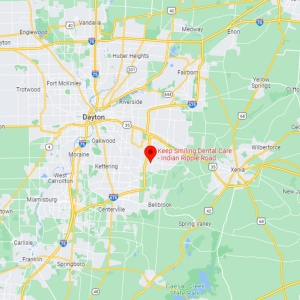
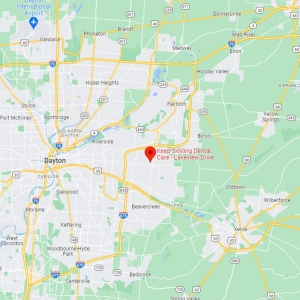
Contact Keep Smiling Dental at either our Indian Ripple or Lakeview location to schedule your first examination.

3 Easy-to-Miss Signs Your Dentures Need to Be Replaced

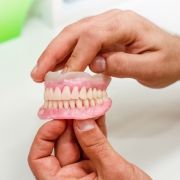
While many people opt fordentures in Beavercreek, OH, for smile restoration, it is also not uncommon for denture wearers to have complaints after years of wear. This can especially be the case with ill-made dentures or dentures made with lower-quality materials. If your dentures need to be replaced, the signs may not always be obvious. Take a look at these easy-to-miss signs that your dentures should be remade.

Having to Use Denture Adhesive More Often 

Denture adhesive is common among denture wearers. Even if dentures fit well, the adhesive can help the prosthetic teeth stay in place for longer and prevent minor shifting. However, if you notice you have to reapply denture adhesive more frequently, it is a sign that your dentures are not fitting properly.

Gum Sores or Soreness 

Dentures that cause persistent sore spots, irritation, or discomfort may be an indication of structural issues or changes in your oral tissues. This discomfort could be a signal that your dentures are no longer providing an optimal fit. Left unattended, gum irritation can heighten the risks of infections in the soft tissues of your mouth.

Difficulty Chewing or Speaking 

If you begin to experience difficulty with tasks like chewing or speaking, it may suggest that your dentures are not functioning as effectively as they should. You may feel the teeth shifting more when you chew than usual or moving in your mouth when you speak. Changes in fit or wear can impact their ability to perform these essential functions.

Discuss Denture Replacement with a Qualified Beavercreek Dentist 

High-quality, well-made dentures can last for years without issues. However, there may come a time when you need to work with aBeavercreek dentist to have them replaced. Contact Keep Smiling to discuss your denture issues.

What’s a Dental Bridge? An FAQ

If you’re missing a prosthetic tooth, one of the potential solutions to your problems is to get a dental bridge. A dental bridge can help fill the gap and prevent your teeth from shifting in your mouth. If you’re a good candidate fordental bridges in Indian Ripple and Lakeview, OH, here’s what you need to know about this common type of prosthetic tooth.

What’s a dental bridge?

A dental bridge is a prosthetic tooth held in place with crowns attached to the teeth on either side of the gap. Dental bridges do not insert into the jaw like an implant or removable like dentures.

Who needs a dental bridge?

You can benefit from a dental bridge if you’re missing a tooth and want to fill the gap. You’ll need healthy teeth on either side of the gap for the dental bridge to hold in place. Your dentist can tell you whether you’re a good candidate for dental bridges.

Do dental bridges look natural?

Dental bridges are designed to look natural. In fact, your dentist will even match your dental bridge to the color of your other teeth. Once the dental bridge is in place, no one can tell you’re wearing a bridge.

How can I get a dental bridge?

If you need a dental bridge or another type of prosthetic tooth, the first thing you should do is visit yourdentist in Indian Ripple and Lakeview, OH. Your dentist will be able to assess the condition of your teeth and recommend a type of prosthetic tooth that’s right for you.

At Keep Smiling Dental, we can help. Call today to get started and learn more about prosthetic teeth.

Can a Veneer Be Placed on a Crown?

If you have an ailing tooth, adental crown in Beavercreek, OH, is the most highly recommended option. However, if you later decide to go with further cosmetic procedures to enhance your smile, certain questions can come up. One question in particular is whether veneers can be placed on dental crowns. Take a look at the answer, as well as a few extra considerations to remember below.

A Look at Veneers and Dental Crowns 

While veneers could technically be placed on a dental crown, the cosmetic procedure is typically not recommended. Veneers are designed to bond to the natural surface of tooth material and not dental crown material. Therefore, while a veneer could be placed on the front of a crown, the veneer may not be as stable or durable. However, there can be differences in the outcome depending on the type of crown and even the material used to make the veneers.

How Dental Crowns Are Treated When Veneers Are Installed on Other Teeth 

If you opt for veneers on your teeth, you may be advised to have the dental crown replaced to match your new veneers. If the dentist determines that veneer placement on the crown would not be a viable option, the best solution is to create a new crown that visibly matches the aesthetic appearance of the veneers. For example, if the veneers drastically change the size and shape of your other teeth, your crown could look out of place, too small, or misshapen without amendment.

Discuss Cosmetic Treatments with a Dentist in Beavercreek, OH 

When it comes to cosmetic procedures to enhance your smile, be sure to discuss all options at length with aBeavercreek dentist. Reach out to the Keep Smiling office to schedule a consultation to get started.